



Denney Studio is one person between Richmond and Kingston, in south-west London.
- Based in
- Richmond and Kingston, London
- Building websites since
- 2011
- Things made since 2007
- 400+
- Right now
- Now taking new projects
Not a studio with a team behind a shared inbox, and not an agency that subcontracts the work once the pitch is won.
I am self-taught. It started with video edits for YouTube in 2007 and 2008, then Photoshop from around 2010, making avatars, banners and graphics for gaming communities. In 2011, while doing an electrical course at college, I started building websites, and never stopped. The design side is mine too: Photoshop and After Effects, learned the same way. Most of what I build is bespoke: web applications, WordPress plugins built rather than bought, quoting and job systems for trades, and increasingly the AI layer sitting on top of all of it. The design and the branding happen here too, so there is no handover gap where the identity says one thing and the site says another.
Things ship in weeks rather than quarters, and not because I type faster than a team of four. It is that there is no co-ordination cost. No status meetings, nobody translating what you said, and no waiting on three suppliers who each need the others to finish first.
Self-taught, in this order.
Nobody taught me any of this. Each step is the one before it running out.
- BeforeThe other trade
Electrician, then contracts manager
Qualified on the tools, then ran the jobs. The quoting and scheduling systems I build for trades come from having stood on the other side of them.
- 2011
Weebly
Where it started: a drag-and-drop builder. Enough to learn what a website was for, and where a builder runs out.
- Then
WordPress
Moved to WordPress. Stayed long enough to see what a marketplace of themes and plugins does to a site over time.
- Then
Writing the plugins
Started writing my own rather than buying five that fight each other. The first code that was mine.
- Then
Dropping the builders
Dropped them entirely and wrote the code myself. There has been no page builder in the stack since.
- Now
My own frameworks and components
Design through to deployment, one person.
How I work.
I will tell you no
If a project is wrong for me, or an off-the-shelf tool would serve you better, you hear that on day one rather than after the invoice. Send me something already built and I will tell you honestly whether it is worth continuing, including when the answer costs me the work.
The source is yours
Everything I build is handed over and runs in your name. Nothing depends on me staying interested, nothing carries a licence you rent from me, and you can hand the lot to another developer without asking me first.
One price, agreed before I start
Priced against a scope we write down before anything begins, so a change is a conversation with a number attached rather than a surprise at the end. No hourly billing.
Written, not assembled
No page builders, no marketplace themes, and no plugin bloat inherited from an author who stopped updating three years ago. A builder ships the machinery for everything you might have dragged onto a page, used or not, and your visitors pay for it on every load.
Launch is not the last you hear from me
Every project includes two weeks of fixes after it goes live. A monthly retainer after that only if you want one, and nothing that pushes you into it, because the code and the hosting are in your name either way.

Electrician, and a qualified electrical contracts manager
I did not come to this from a design degree. I am a qualified electrician and an electrical contracts manager, so when I build quoting and job systems for contractors I have stood on the other side of them: the paper diary, the job sheets, the engineer ringing the office to say where he is. That is why the trade software I build fits the way the work actually runs.
Trade SystemsWhat I have shipped.
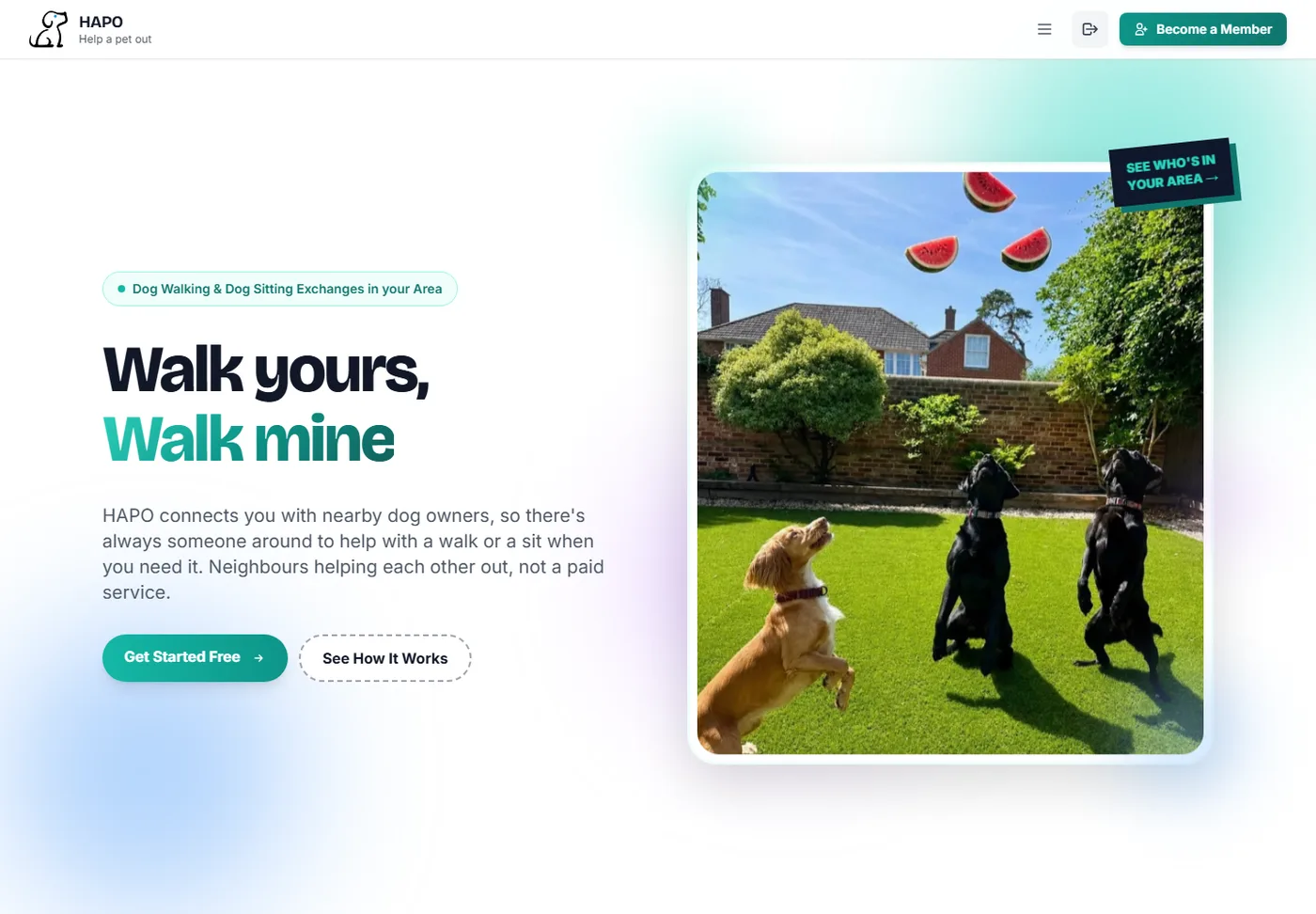 Neighbourhood dog-care exchange, built on trust rather than listings.
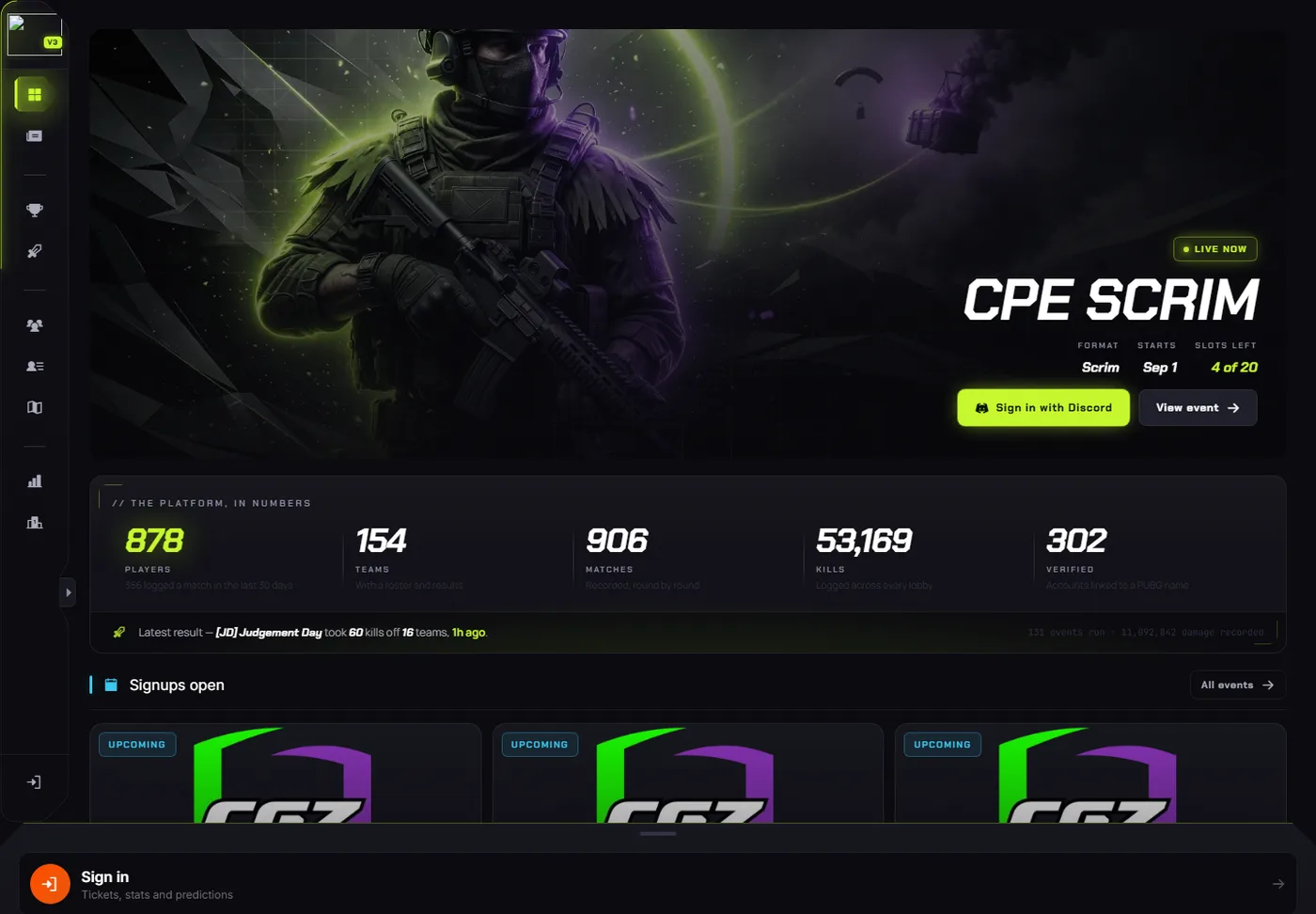 PUBG console esports platform with its own rating algorithm.
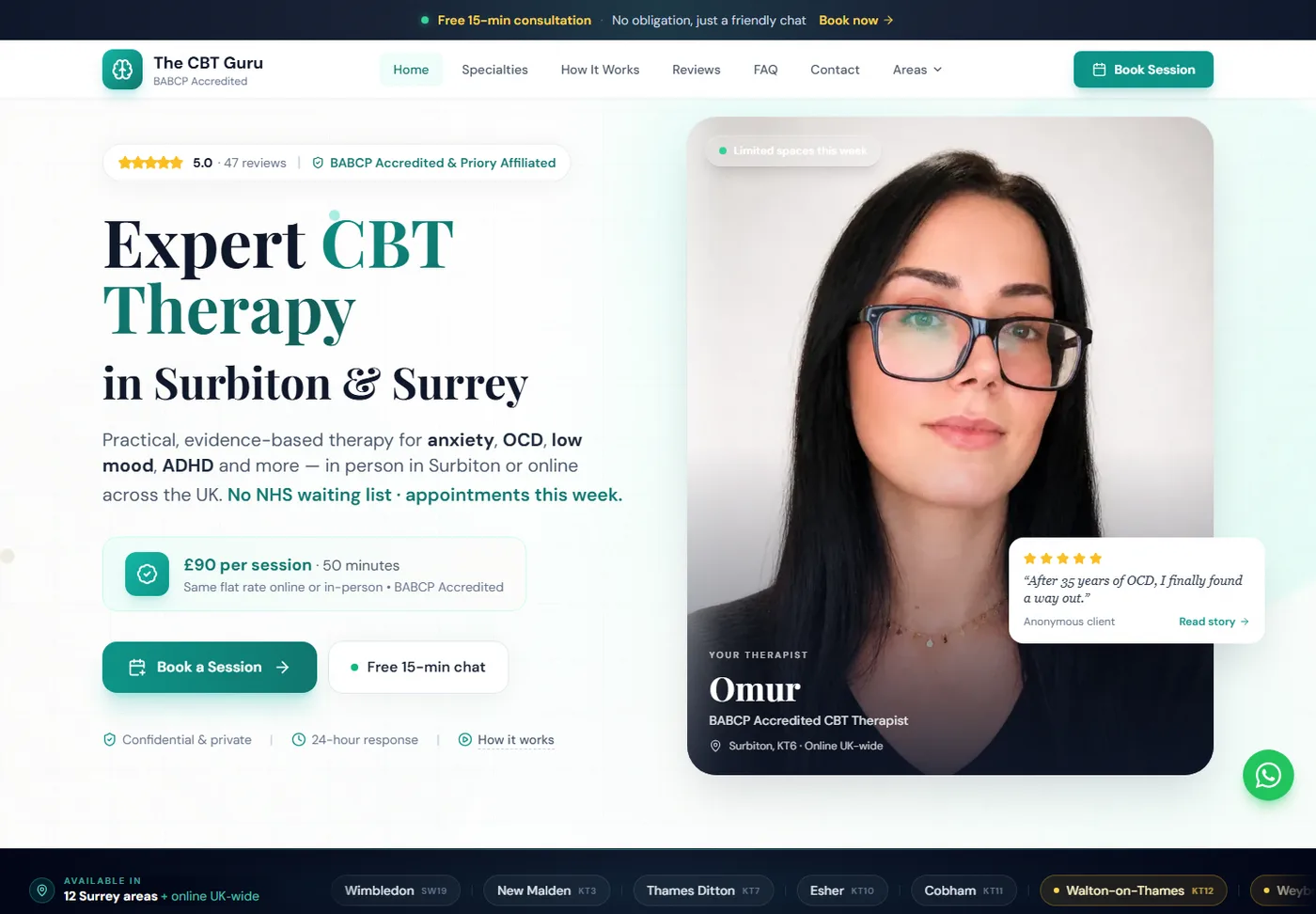 BABCP-accredited CBT practice in Surbiton, with fees, insurers and booking.
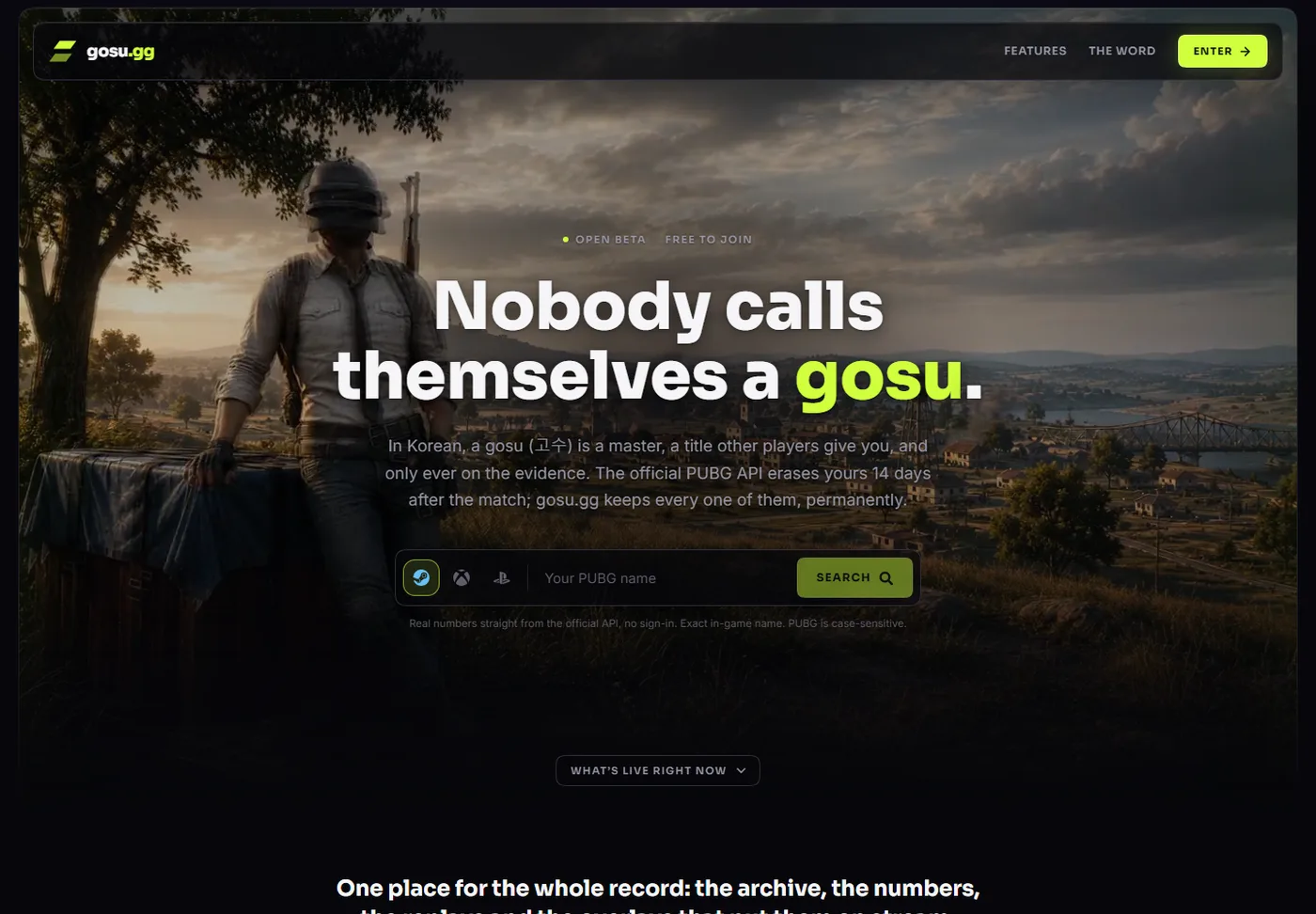 Permanent PUBG match archive with replays rebuilt from telemetry.
 A disposable camera for events, in the browser, with no app to install.
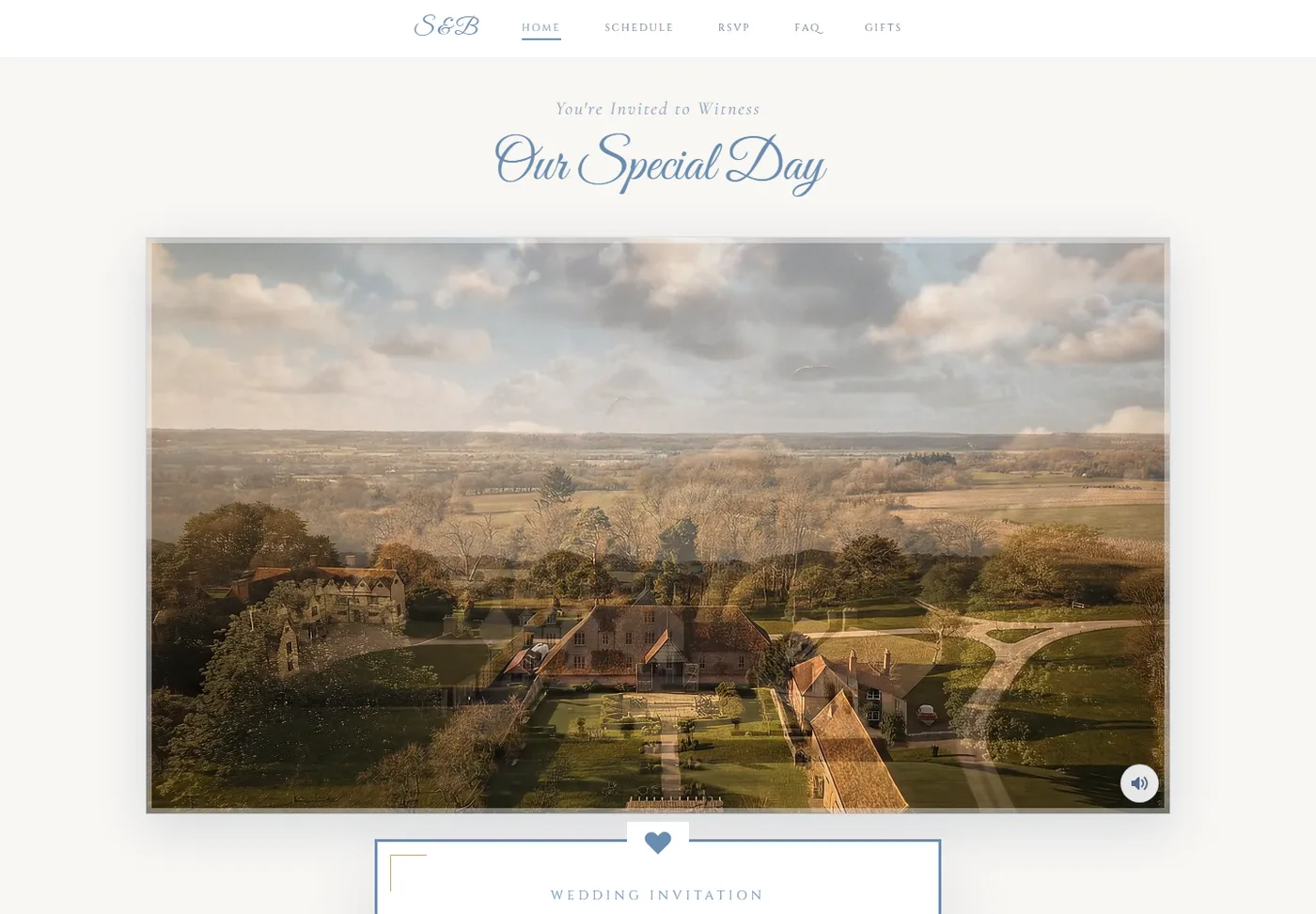 A wedding invitation site that collected every reply, guest by guest.
 A weekly diary, recommendations and guides, from Kingston upon Thames.
Straight answers.
7 answeredHow long does a build take?
Most projects go live in one to four weeks rather than the three to six months a studio would quote. Bigger builds get broken into stages so something useful is running early.
Do I own the code at the end?
Yes, entirely. The source is handed over on completion and you are free to take it to another developer at any point. Nothing is locked to me.
What happens if something breaks?
Every project includes two weeks of fixes after launch. Beyond that a monthly retainer covers ongoing changes and priority on anything urgent.
Do you actually build it yourself?
Yes. There is no team behind me and nothing gets subcontracted. You deal with the person writing the code, which is why decisions happen in a message rather than a meeting.
If I am away
You are hiring one person, so it is fair to ask what happens when that person is not at a desk. The honest answer is that most of it is handled before it comes up, by making sure nothing you depend on needs me in order to keep working.
- Time off is flagged before a project starts rather than during it, and I will not start something I cannot finish before I am away.
- A live site keeps running while I am away. Hosting, backups and updates look after themselves rather than depending on me watching them, monitoring still reaches me rather than you, and I say up front when a reply will be slower than usual.
- The code, the domain and the hosting are in your name, not mine. Nothing needs my permission, my password or my goodwill to get into.
- Where everything lives is written down and handed over at launch, so another developer could pick it up without speaking to me first.
Not a good fit
- Projects that need a team of ten and someone to co-ordinate them
- Retainers where most of the work turns out to be meetings
- Anything I would have to pretend to be an expert in
The business
- Before work starts
- A written scope with the price, what is included and what is not, sent before any work starts.
- Your data
- Anything you share stays between us. I am happy to sign an NDA, and to work to your data agreement if you have one.
The rest, on its own pages.
- Where to start
6 ways in, by what you already have, and all 13 services grouped by what I build, what I run and who I build it for.
Services - What I build with
Next.js, React, Node, Python, PHP, WordPress, Elementor, Plugins, Postgres, MySQL, Supabase, APIs, Stripe, Discord, WebSockets, AI, PWA, PCB Design, Firmware, Adobe. Elementor is on the list because sites already built on it still need work, not because I would start one on it.
Elementor - How a job runs
You send the details. I reply within a day. Fixed price up front. Priced per project, 1 - 4 weeks.
Start a project - Where I am
Based in Richmond and Kingston, London. 8 local pages: Kingston upon Thames, Richmond, Surbiton, Hampton Wick, New Malden, Teddington, Twickenham, Hampton Hill.
Areas - Written up
Longer answers: What a website actually costs; How long a build really takes; Freelancer or agency: which you actually need.
Insights